The whole scroll, unrolled

Scroll sideways to see the whole thing: almost five feet unrolled, around twenty columns, each missing its top half. Image: Vesuvius Challenge (CC BY-NC 4.0)
The full text: Greek and English
Columns 1–4 are only scattered strokes. From column 5 on there are words, and they get clearer toward the end, all the way to column 22. On the left is the transcription from the paper by Angelotti and 26 co-authors, Complete virtual unwrapping and reading of a rolled Herculaneum papyrus (June 2026), exactly as they published it minus the apparatus; on the right, the translation. The transcription and the Vesuvius Challenge images are used under CC BY-NC 4.0, and the translation is shared under the same license.
What the marks in the Greek mean
- A dot under a letter: some of it is visible, but the reading isn't certain. A dot on its own: there's a letter there that can't be identified.
- Square brackets [ ] hold letters that are gone from the papyrus and were filled in from context. Curly braces { } mark a letter the scribe wrote by mistake.
- The ϲ that looks like a c is sigma (σ / ς). That crescent shape is how Greeks actually wrote it.
- A hyphen at the end of a line: the word breaks there and carries on below. Ancient books had no spaces between words, so a break can fall anywhere.
- In the translation, “…” marks a gap; anything with a question mark is a reading the scholars weren't sure of either.
Mia's tips
- The English is my own rendering, done line by line against the Greek with an AI helping and the editors' translation in the paper as a guide. Where the scholars put a question mark, I kept it rather than smoothing it over.
Columns 1–4
Only scattered strokes; no words can be read.
Column 5
lines 1–2: traces
3]  ̣  ̣  ̣  ̣ τομ[ ̣
4]τ̣ί̣θ̣εϲθαι ψ̣ευ̣  ̣[
5]ϲ̣ τὸ ὅμοιον  ̣  ̣ [
… what is similar …
Lines 3–4 may read “not to give assent falsely”.
Column 6
lines 1–5: traces
6ὁ̣ρμὰϲ περι[  ̣  ̣  ̣  ̣  ̣  ̣  ̣  ̣]
7α̣ϲ̣ τομηϲυ  ̣[  ̣  ̣  ̣  ̣  ̣  ̣  ̣]
8θεϲθαι τῶι   ̣[  ̣  ̣  ̣  ̣  ̣  ̣  ̣]
… impulses …
Lines 7–8 may read “not to give assent”.
Column 7
lines 1–6: traces
7 ̣  ̣ε̣  ̣  ̣  ̣εψ̣[  ̣  ̣  ̣  ̣  ̣  ̣  ̣  ̣]
8ϲ̣ει  ̣ προϲγ̣  ̣[  ̣  ̣  ̣  ̣  ̣  ̣]
9 ̣  ̣  ̣  ̣  ̣το φυϲ̣ι̣[  ̣  ̣  ̣  ̣  ̣  ̣]
10την ἀπροπ  ̣[  ̣  ̣  ̣]  ̣  ̣  ̣  ̣
Scattered letters only. Something like “nature” (φυσι-) shows; line 10 may be ἀπροπτωσία, a Stoic word for not rushing to judgment.
Column 8
lines 1–7: traces
8κ̣α̣  ̣  ̣η̣  ̣  ̣  ̣[  ̣  ̣  ̣  ̣  ̣  ̣  ̣]
9τιν δε  ̣  ̣  ̣  ̣[  ̣  ̣  ̣  ̣  ̣  ̣  ̣]
10ν̣ο̣ϲ παρα  ̣  ̣  ̣[  ̣  ̣  ̣  ̣  ̣]  ̣
11ἀλλα  ̣  ̣π  ̣υ[  ̣  ̣  ̣]  ̣  ̣  ̣
Scattered letters only.
Column 9
1[  ̣  ̣  ̣  ̣  ̣  ̣  ̣  ̣  ̣]  ̣  ̣  ̣[  ̣  ̣  ̣]
2[  ̣  ̣  ̣  ̣  ̣  ̣  ̣  ̣  ̣]  ̣ει ἐν̣[  ̣  ̣]
3 ̣  ̣  ̣  ̣  ̣  ̣[  ̣  ̣  ̣  ̣] κ̣α̣θ’ ὅϲον
4δ̣εξα  ̣[  ̣  ̣  ̣  ̣  ̣]  ̣τοϲ ἐ̣ϲ̣-
5τ̣ι̣ν̣   ̣  ̣  ̣  ̣[  ̣  ̣  ̣  ̣  ̣  ̣  ̣  ̣  ̣  ̣  ̣]
6ὑποκατα  ̣[  ̣  ̣  ̣  ̣  ̣  ̣  ̣  ̣  ̣  ̣]
7τοϲ τον[  ̣  ̣  ̣  ̣]  ̣  ̣  ̣  ̣  ̣  ̣
8το̣ν ἀνθ̣ρ[ωπ ̣  ̣  ̣  ̣  ̣  ̣]ειν
9αὐτὴν ἢ ϲχεῖν̣   ̣[  ̣]  ̣  ̣[  ̣  ̣]
10ναι ὅτι δὲ κ̣α̣  ̣  ̣  ̣  ̣ο̣ι̣ϲ̣
… in so far as … a human … it, or to have … but that …
Column 10
1[  ̣  ̣  ̣  ̣  ̣  ̣  ̣  ̣  ̣]  ̣  ̣  ̣[  ̣  ̣  ̣]
2[  ̣  ̣  ̣  ̣  ̣  ̣  ̣  ̣]  ̣  ̣  ̣  ̣[  ̣  ̣  ̣]
3τ̣ε̣  ̣  ̣  ̣[  ̣  ̣]  ̣τ̣ω  ̣  ̣  ̣  ̣  ̣
4τ̣α̣ ετ  ̣  ̣[  ̣  ̣  ̣  ̣  ̣  ̣  ̣]  ̣  ̣  ̣  ̣
5ϲ̣υ̣νκριϲ  ̣[  ̣  ̣  ̣  ̣  ̣  ̣  ̣  ̣  ̣]  ̣  ̣
6νη̣ϲπο  ̣  ̣[  ̣  ̣  ̣  ̣  ̣  ̣  ̣  ̣  ̣]τά-
7να̣ι̣ προϲ̣ῆ̣κον ἐπὶ τὸ
8πᾶν ἔ̣τι   ̣ο  ̣[  ̣  ̣  ̣]η̣ρου ἔϲ-
9ται δ̣έ̣ο̣ϲ καὶ ἐν   ̣  ̣  ̣ωι
10τὸ μέγα καὶ̣ μ̣̣ακρὸν
… fitting, on the whole, still … there will be fear, and in [toil?] … the great and the long …
Column 11
1[  ̣  ̣  ̣  ̣  ̣]  ̣α̣ι̣  ̣[  ̣  ̣  ̣  ̣]  ̣  ̣
2[  ̣  ̣  ̣  ̣  ̣]  ̣ε̣ι θυ  ̣  ̣  ̣α  ̣α  ̣
3τ̣ο̣ν̣[  ̣  ̣  ̣]  ̣ε̣ϲτάτων τ̣  ̣  ̣
4 ̣  ̣  ̣  ̣[  ̣  ̣]  ̣τηϲιν καὶ τὴν
5ὁρ̣μ[ὴν   ̣  ̣  ̣  ̣  ̣  ̣  ̣]  ̣ατα̣
6τ̣ουτ̣[  ̣]  ̣  ̣  ̣  ̣  ̣  ̣  ̣  ̣α̣ρ̣̣ι̣ϲ̣η̣  ̣
7πρ̣ὸ̣ϲ [δ]ὲ τ̣ὰ̣ οὕτ̣ω̣ϲ ἕκαϲ-
8τα πο  ̣  ̣  ̣ω̣ϲ̣ πεφύκα-
9μεν καὶ πρὸϲ τὸ ταῦ-
10τα ποιεῖν ἃ φαίνειν̣
… and the impulse … towards each thing of this kind we are by nature … and towards doing the things that seem …
Column 12
1[  ̣  ̣  ̣  ̣]ε  ̣τ̣ο[  ̣  ̣]  ̣  ̣  ̣  ̣  ̣  ̣
2[  ̣  ̣]τ̣ου  ̣  ̣ι̣ε̣  ̣  ̣τ̣α  ̣  ̣ει
3[  ̣  ̣]ν̣ότατα δ’ ἀνθρώ̣-
4[πο]ι̣ϲ̣ καὶ θηρϲίν, τάδε
5[  ̣  ̣  ̣  ̣  ̣  ̣  ̣]  ̣κ̣να  ̣  ̣  ̣  ̣
6[  ̣  ̣  ̣  ̣  ̣  ̣  ̣]  ̣(  ̣)αιταϲ  ̣  ̣  ̣
7[  ̣(  ̣)] πολὺ δὲ μάλιϲτα τὰ̣̣
8κοινότατα ἕκαϲτα
9ταῦτα ϲυνίϲτηϲιν
10 ̣ηφ  ̣  ̣  ̣  ̣  ̣αι γὰρ ἀναγ-
… [most common] to humans and to beasts, these things … and above all, each of the most common things makes these up … for [necessity?] …
Column 13
1φυϲικὴν ὑπ[  ̣  ̣  ̣  ̣]  ̣  ̣  ̣
2διὸ καὶ οὐ  ̣  ̣  ̣  ̣  ̣[  ̣  ̣]  ̣  ̣
3κατὰ τὴν   ̣  ̣  ̣  ̣  ̣[  ̣  ̣  ̣  ̣]
4ταύτην τα  ̣  ̣  ̣[  ̣  ̣]  ̣  ̣  ̣
5[  ̣  ̣  ̣]  ̣α εὑρεθήϲετ̣[αι]
6καὶ οἱ βίοι προάξ̣ου̣[ϲιν]
7οὐθέν, ἡμῶν οὔτ̣ε τῆϲ
8ἡδονῆϲ οὔτε τοῦ πό-
9νου προϲδεομένω̣ν.
10ὡϲαύτωϲ δὲ καὶ τ  ̣(  ̣)
… natural … so too not … according to the … this … will be found, and our lives will make no progress at all, since we need neither pleasure nor pain. In the same way …
Column 14
1[  ̣  ̣  ̣  ̣  ̣  ̣  ̣  ̣]  ̣τ̣α̣τα
2τ̣αυτ̣  ̣[  ̣]ε  ̣  ̣ϲ̣ καὶ ἐλ-
3λεῖπον οὕτωϲ̣ βούλọ-
4μα̣ι̣ λ̣έγειν α  ̣  ̣  ̣  ̣  ̣  ̣  ̣
5π  ̣  ̣  ̣τ̣ο  ̣π̣α̣  ̣  ̣ τέλεον
6ἐλλείπ̣ειν   ̣[  ̣]αριϲτ̣  ̣  ̣  ̣
7καὶ ὡϲαυτ[  ̣  ̣  ̣]ελ̣ε̣ῖν
8ἐπὶ τῶν δεξίων μέ-
9ρων πρὸϲ τὰ ἀριϲτερά.
10γίνεται δ’ ὁ πλεοναϲ-
11μὸϲ κατὰ τὴν ὁρμὴν
… and so falling short, I mean to say … complete … to fall short … and likewise … on the right-hand side, towards the left. And the excess arises in the impulse …
Column 15
1[  ̣  ̣  ̣]λου̣ κα[  ̣  ̣]
2υο̣ν̣τ̣οϲ καὶ τῶν
3π̣αραπ̣λ̣ηϲίων πάν-
4των. καθ’ οἷον γὰρ εἶδοϲ
5α̣ἱ ὁρμαὶ πεφύκαϲιν
6γίνεϲθαι, κ̣α̣τὰ τοῦ-
7τό ἐϲτι̣ν τὸ ἀνελλι-
8πὲϲ ὥϲτε μηθὲν ἐπι-
9ζητεῖν ἔτι, ἀλλὰ ἀ-
10ναπ̣ε̣π̣ληρῶϲθαι κα-
11τὰ πᾶν ὡϲ ἂν κατα
… and of all things like them. For the form in which our impulses naturally arise is where lacking nothing lies: nothing more to seek, but filled up in every respect, as …
Column 16
1γονε̣ν, δ̣ι̣[ὰ τὴν φρό]νη-
2ϲ̣ι̣ν̣ ἐ̣γ̣γίζουϲ̣ι̣ τῆϲ
3ϲυντελείαϲ. ἀ[π]ὸ̣ τού-
4των δὲ μεταβα̣ί-
5ν̣ουϲα ἐπὶ τον̣ον
6τὰ μὲν καθ’ αὑτὴν
7ἐν ἡμῖν ϲυντετέλε-
8κεν πάντα οὐ δ̣υ̣να-
9μένη ϲ̣υμπληρώ{ι}-
10ϲαι τὴν φύϲ̣ιν, πα-
11ρέδωκε δὲ ὑπὸ πρα-
… through practical wisdom they come close to completion. Passing from these to the … , it has done in us everything that is up to it, though it cannot make our nature complete; and it handed on …
Column 17 the line I read in the video
1[  ̣  ̣  ̣]  ̣οι ζητήϲ̣ο̣-
2μέν τι, ἀλλ’ οὐχ ἕξο-
3μεν ἐὰν τρόπον τι-
4νὰ ἑαυτῶν ἀπ̣οϲτῶ̣-
5μεν καὶ τῆϲ φύϲεωϲ
6ἡμῶν, ἔτι τε ὃν τρό-
7πον ἂν ῥηθείηϲαν αἱ
8λοιπαὶ τέχναι κατά
9τι μὲν τέλειαι εἶναι,
10κατά τι δὲ ἐνλείπειν,
11τῆϲ φρονήϲεωϲ δι-
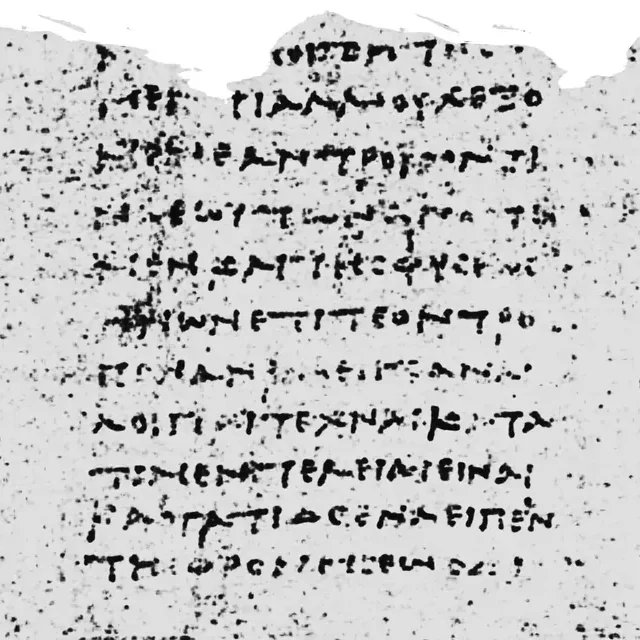
… we will inquire into something, but we will not grasp it, if in some way we depart from ourselves and from our own nature; and further, just as the other arts could be said to be complete in one respect and lacking in another, practical wisdom …
Column 18
1περὶ ἐ-]
2κείνην τ̣ὴ̣[ν φ]ρόνη-
3ϲιν οὖϲαν, καὶ περὶ αὐ-
4τὴν εἶναι. τοῦτον δὲ
5περὶ τὰϲ βαναύϲουϲ
6ὄντα τέχν̣α̣ϲ̣ ἀ̣πολε-
7λεῖφθαι πολὺ τοῦ τοι-
8ούτου καὶ ὥϲπερ χω-
9λὸν τὸ τεχνικὸν ἔ-
10χειν καὶ ἐνλελειμ-
11μένον τοιοῦτό τι μοι
12δοκεῖ, καὶ ἐπὶ τῶν
… being practical wisdom about that, it is about this as well. But this man, whose business is the menial crafts, seems to me to fall far short of such a thing, his craft lame, as it were, and lacking something of this kind; and in the case of …
Column 19
1[  ̣  ̣  ̣  ̣]  ̣  ̣[  ̣  ̣  ̣  ̣  ̣  ̣  ̣  ̣]
2 ̣[  ̣]  ̣δ̣εῖϲθαι μη[δ]ε-
3μίαϲ. ἐκπονηθέν̣-
4των μέν̣τοι̣ ἡμῶν
5διὰ τῆϲ ζητήϲεωϲ
6ἢ τῆϲ μαθήϲεω̣ϲ̣, κα-
7τ’ οὐθὲν ἔτ̣ι λειφθηϲό-
8μεθα αὐτῶν ὁμοίωϲ
9τέλεα τὰ καθήκον-
10τ’ αὐτοῖϲ ποιοῦντεϲ
11καὶ τὴν αὐτὴν ἔχον-
12τεϲ αὐ̣τοῖϲ φρόνηϲιν
… need none at all. But once we have worked hard through inquiry or learning, we will no longer fall behind them in anything: like them, we will do what is fitting completely, and have the same practical wisdom they have …
Column 20
1 ̣[  ̣  ̣  ̣  ̣]  ̣  ̣  ̣  ̣  ̣  ̣  ̣  ̣
2ευ  ̣  ̣  ̣  ̣ν τὸ ϲυντυγ-
3χάνειν. τοιούτων
4δὲ τῶν ἀγαθῶν ὄν-
5των ἡμῖν, καὶ ἐκ
6τῶν ἐναντίων
7τῶν κακῶν οὔτε
8ἀγαθόν τι ἔϲται – οὐ
9καλὸν δέ – οὔτε κα-
10κὸν – οὐκ αἰϲχρόν – οὔ-
11τε τὸ εὐδαιμονεῖν
… to meet with it. And since such are the goods for us, then even from the opposites of evils there will be nothing good (still less fine) and nothing bad (still less shameful), nor will happiness [grow or shrink] …
Column 21
1 ̣ [  ̣  ̣  ̣  ̣]  ̣  ̣  ̣[  ̣ φ]ρο-
2νοῦν̣τεϲ μέγα καὶ
3ϲεμνυνόμενοι καὶ
lines 4–5: traces
6ν̣οι  ̣  ̣  ̣  ̣α̣ιτε ἀπὸ
7τοῦ οὔτε̣  ̣  ̣ἐπαι-
8νεῖν τ  ̣ν  ̣  ̣  ̣  ̣  ̣
line 9: traces
10μ̣ένου οἷον κατὰ τὰ̣ϲ̣
11ὑμνήϲειϲ ευτ̣ονι  ̣  ̣
… thinking much of themselves and putting on airs, and … to praise … as in the hymns of praise …
Column 22
1ν̣ων ε̣ἰ̣ϲέτι ϲυνα̣  ̣  ̣  ̣  ̣[  ̣  ̣]
2 ̣(  ̣) Ἀριϲτοκ̣ρέω̣ν τὰ̣ϲ̣  ̣[  ̣]
3 ̣  ̣  ̣(  ̣) τ̣οῖϲ ἐ̣χομένοιϲ̣  ̣  ̣
… still … Aristocreon … to the things that follow …
The last column that can be read. Aristocreon was the nephew and student of Chrysippus, the great Stoic.
Want a shot at the million dollars?
The 2027 Grand Prize: fully read another scroll by June 25, 2027, with no more than eight hours of human input. First place is $800,000. Anyone can enter; you register on their Discord. The rules and the sign-up are on the Vesuvius Challenge prize page.